Sanding and refinishing
Your old floor, back to bare wood. Without the dust.
Dustless sanding on every job, stain matched on your own boards, three coats of a commercial-grade water-based finish. Most floors come back for a third of what replacing them would cost.
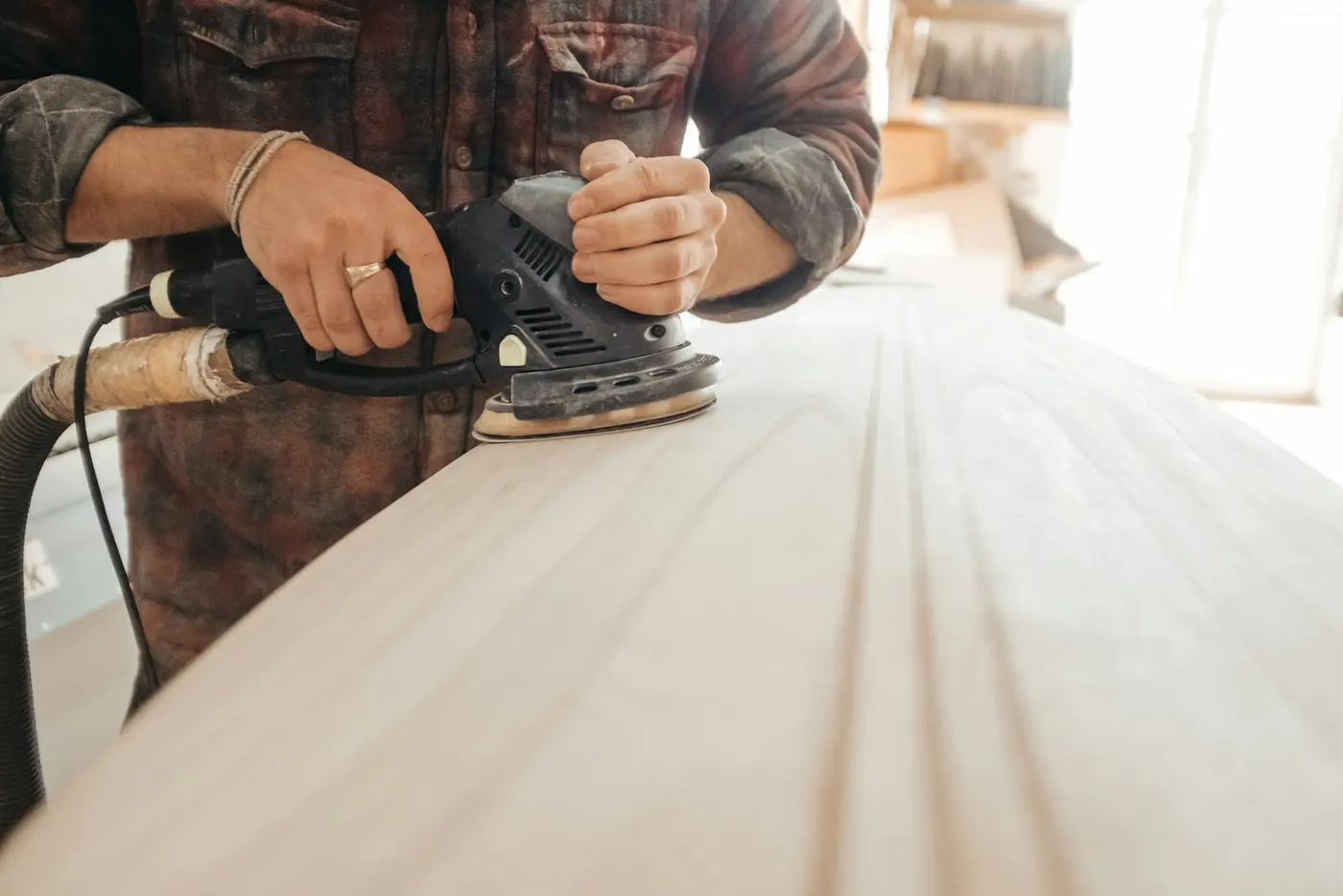
Dustless
Dust is the reason people put off refinishing for ten years.
Open sanding puts fine wood dust into every room, every vent and every closet in the house, and it keeps turning up for months. That is why so many floors that should have been refinished in 2015 are still grey and scratched today.
We connect every sanding machine, the big drum sander and the edgers and the buffer, to a HEPA-filtered containment unit that pulls the dust off at the source. Doorways get sealed, returns get covered. The house stays a house while the work happens, and the finish goes on cleaner because there is no dust settling into it while it dries.
Specifications
How a refinish runs
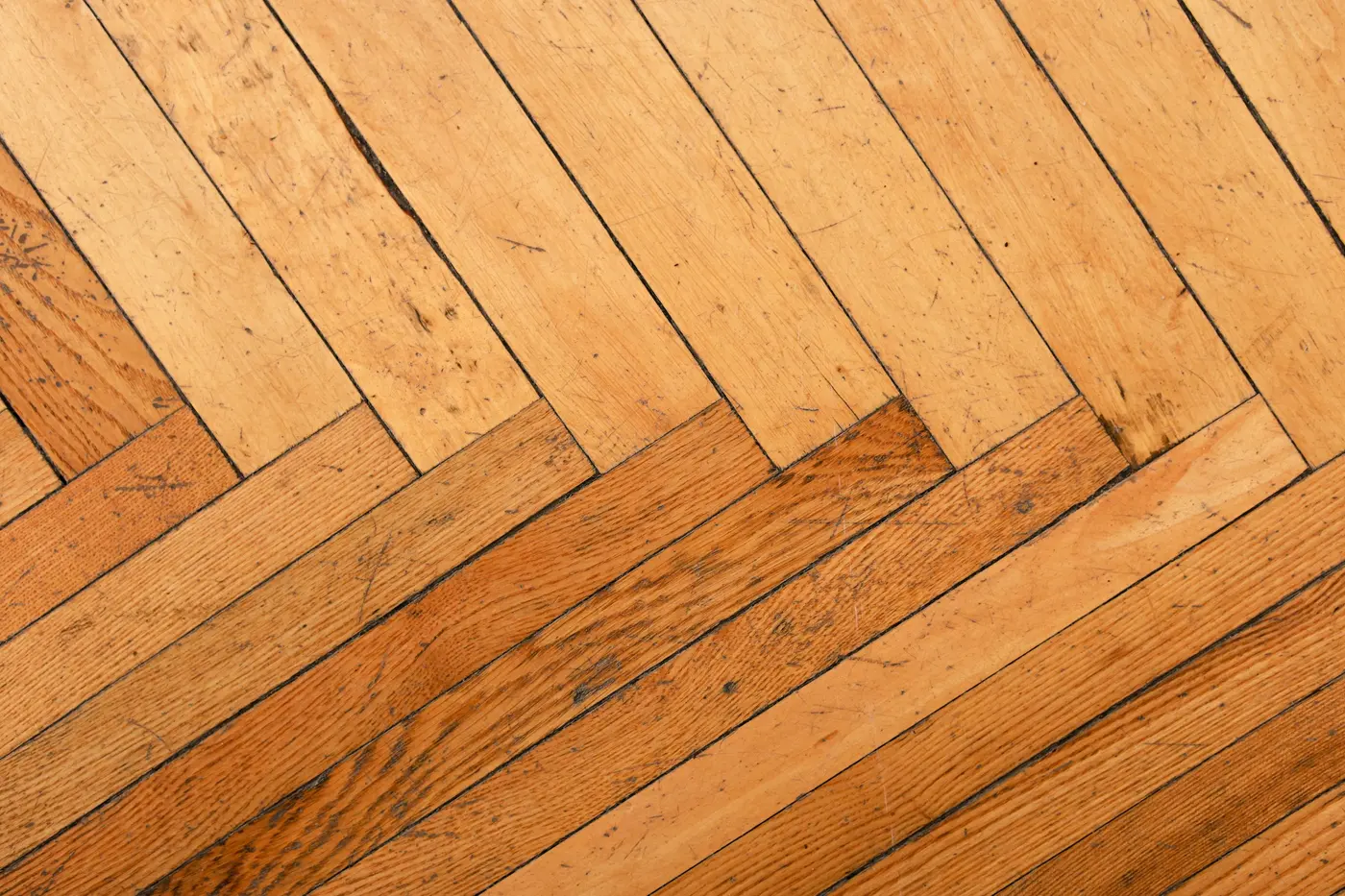
Old floors
Pre-war oak, parquet, wide pine. We have sanded all of it.
Boston's housing stock is old, and old floors need judgment more than horsepower. Face-nailed pine in a Victorian cannot be sanded like 1990s oak. Parquet has grain running four directions and burns if the drum lingers. A 1920s floor may have been sanded three times already and be down to its last pass.
We tell you what your floor can take before we touch it. If it is on its last sanding, you will hear that first, and we will talk about a recoat or a replacement instead of taking your money to make it thinner.
Questions
What people ask before refinishing
Is dustless sanding really dustless?
Close. Every sanding machine is connected to a HEPA-filtered containment unit that captures the dust at the drum, and doorways are sealed. Independent tests of these systems show well over 95 percent less airborne dust than open sanding. You will still wipe a windowsill or two. You will not find dust in the heat registers or the next room.
How many times can a floor be refinished?
A 3/4-inch solid floor has about 1/4 inch of wood above the tongue and each full sanding removes roughly 1/32 of an inch, so five or six times over its life. Engineered floors depend on the wear layer, usually one to three sandings. We check the thickness at a floor register before quoting.
Water-based or oil-based polyurethane?
Water-based for almost every job. It stays clear instead of yellowing, dries in two to three hours between coats, and has very little smell, so the house is livable during the work. Commercial-grade water-based finishes are now harder than oil-modified. We use oil-modified only when a client specifically wants the amber tone it gives to red oak.
How long until I can walk on the floor?
With water-based finish: socks after 24 hours, shoes and furniture after 72 hours with felt pads on every leg, rugs after 7 days so the finish can fully cure. Oil-based roughly doubles those numbers.
Do I have to move out?
Not usually. Furniture comes out of the rooms being done. With dust containment and water-based finish, most clients stay in the house and work around the rooms. Whole-house jobs on a single level are the exception; plan two to three nights away for those.
Can you get pet stains out?
Surface stains, yes. Urine that has soaked through and blackened the wood does not sand out; the boards get replaced and laced in, then the whole floor is sanded and finished together so the repair disappears. We will tell you which one you have at the estimate.